The responsibility for entertaining the campers and ensuring they were happy rested with a group of men and women whose beginnings can be traced to one of the first weeks of 1936 at Skegness holiday camp. During the first few days after opening his first camp, Billy Butlin realised that something was missing. The campers were not using the site as he had imagined they would. Many sat around without purpose, staying within their family groups. More concerning to Butlin, some appeared bored. Although Butlin’s provided all the facilities campers needed, it became clear that they had to be encouraged to make use of them. Later that day, or perhaps the following day, Billy Butlin was talking with Norman Bradford, a senior engineer who had worked on the construction of Skegness camp. Billy Butlin asked Norman whether he could do something to entertain the campers. Norman was naturally outgoing and fun-loving; he enjoyed making people laugh and joke, and found it impossible to resist performing for an audience.
After dinner that night, Norman went on stage and entertained the campers with jokes and laughter. He then explained the facilities and activities available around the camp. Next, he asked everyone to turn to the person on their right, introduce themselves, and shake hands. At first, people seemed a little embarrassed, but they soon did as Norman had asked. “Now,” Norman continued, “turn to the person on your left and do the same.” This time, they responded with greater enthusiasm and warmth. The ice had been broken. Across the dining room, people began chatting, and the atmosphere finally became the friendly, happy one Billy Butlin had hoped for.
Later that same evening, Billy Butlin realised that the sense of togetherness Norman had created among the campers was essential to the success of the holiday camps. He needed more people like Norman, an “army” who could be easily identified by their uniforms. The following day, Norman was asked to buy a distinctive blazer to serve as the camp uniform. He returned with a jacket in the camp’s colours: blue, primrose yellow and white. Somehow, the blazer failed to convey the message Bill had intended. It suggested authority and regimentation, the very last things a nation of holidaymakers needed. Eventually, Billy Butlin settled on a red blazer and white flannels: bright, cheerful and unmistakable.
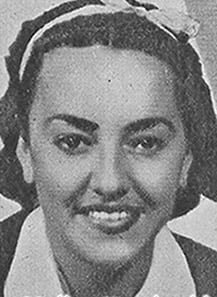
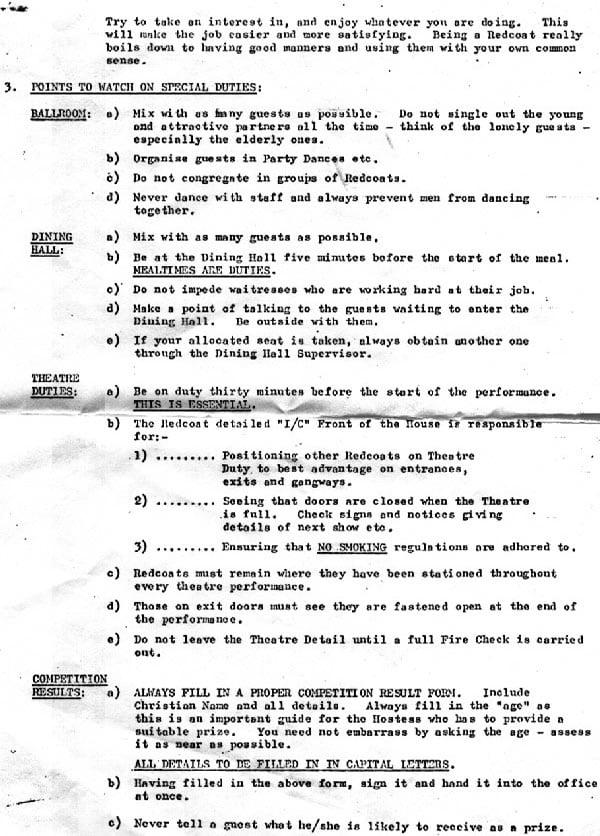
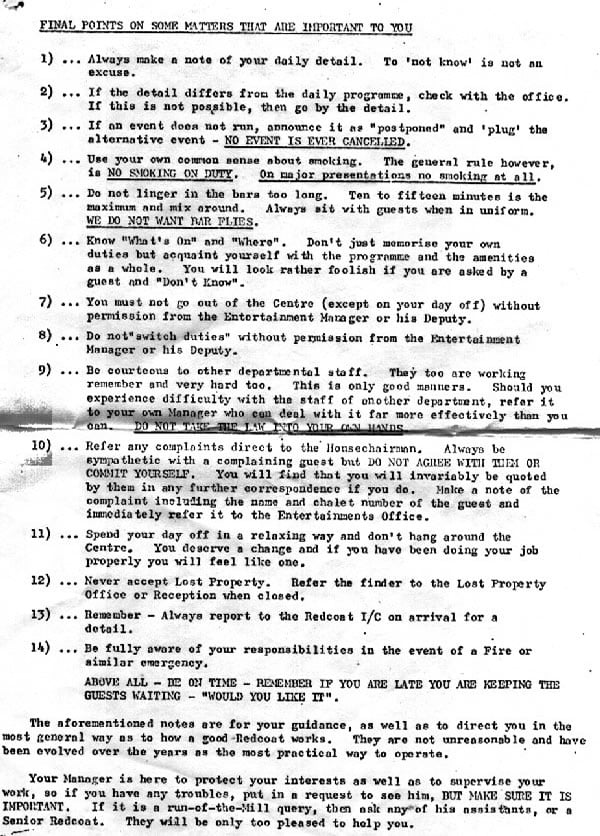
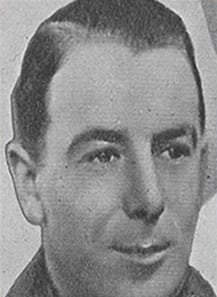
The first outfits, and likely many that followed, were made by Billie Ditchfield, who, along with Kay Berry, became one of the first two female Redcoats. About a week later, Norman Bradford bounded onto the stage at breakfast time and gave a hearty “good morning.” The campers responded with a resounding “good morning” of their own. The buzz of excitement grew as Norman described the day’s activities. It became clear that holidaymakers, many of whom were strangers, felt more comfortable and relaxed when they had a friendly person to offer information and advice. They enjoyed the entertainment, sports and competitions arranged for them, with the freedom to choose whether or not to participate. This was the day the Redcoats were born. A Butlin’s Redcoat is a host or hostess who belongs to the entertainment staff and is responsible for looking after the campers’ needs. Redcoats always ate with the campers and even slept in their chalet rows.
Roger James Photo
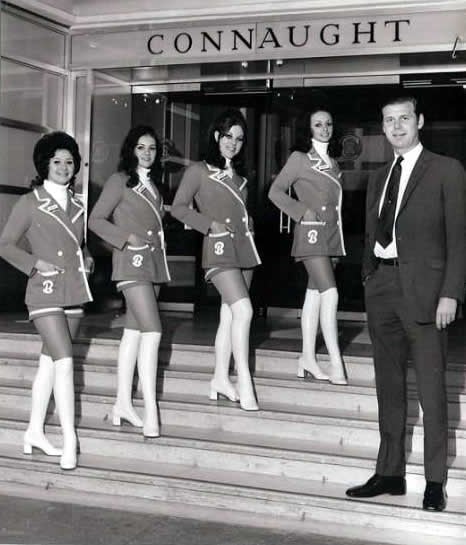
This photo shows the late Bobby Butlin with the proposed new uniforms at the Butlin AGM at the Connaught Rooms in London.
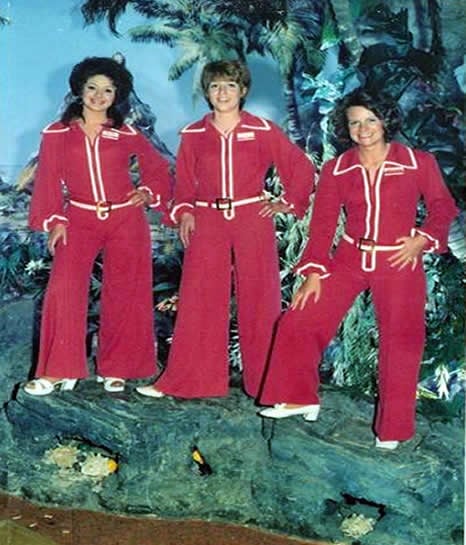
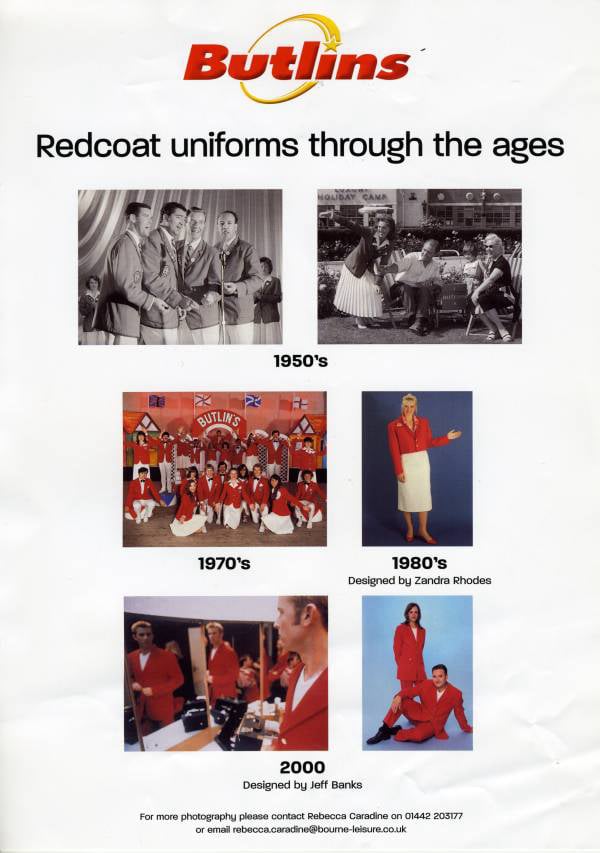
These photos show some of the different outfits over the years, as well as some proposed Redcoat uniforms from the 1970's
Roger James Photo
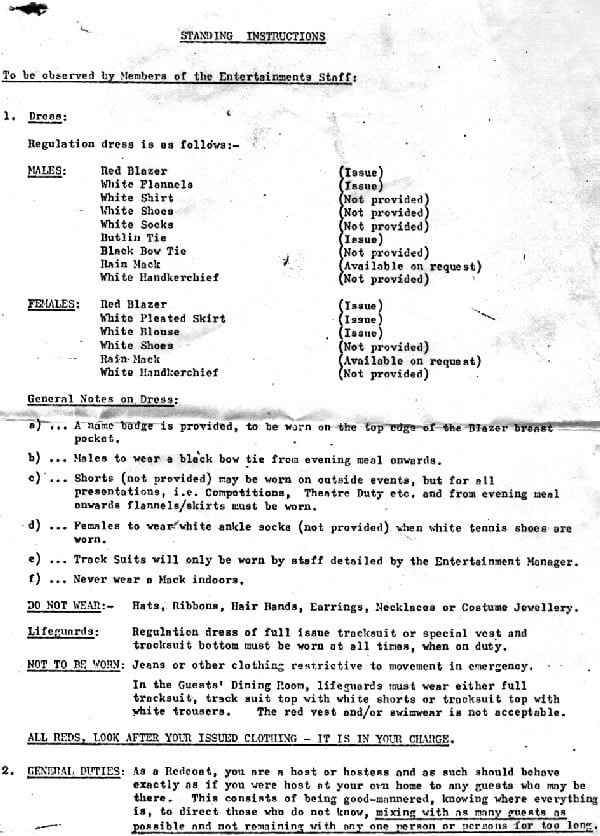
Although the Redcoat uniform has always been based around a red blazer, it has seen several facelifts over the years.